

In a world where tapping and swiping have become second nature, touchscreen laptops are revolutionizing the way we interact with technology. Imagine a device that lets you effortlessly switch from typing an email to doodling your next masterpiece—all with just a flick of your finger. It’s like having a tablet and a laptop in one sleek package, perfect for multitaskers and creative minds alike.
Gone are the days of awkwardly reaching for your mouse while trying to juggle a coffee cup. With a touchscreen laptop, everything is at your fingertips—literally! Whether you’re scrolling through social media or navigating complex spreadsheets, this innovative tech caters to both work and play. Dive into the world of touchscreen laptops and discover how they can transform your daily routine while keeping things fun and efficient.
Overview of Touchscreen Laptops
Touchscreen laptops represent a fusion of convenience and functionality, offering features borrowed from both tablets and traditional laptops. Users experience enhanced interactivity through a responsive display, making tasks smoother. Tasks like browsing, digital drawing, or software navigation benefit significantly from touch capabilities.
When considering the design, many touchscreen laptops come with 2-in-1 functionality, allowing transitions between laptop and tablet modes. This flexibility appeals to varied users, from students to professionals, who enjoy multitasking without friction. Many models support stylus input, which opens up creative possibilities for artists and note-takers alike.
In terms of performance, touchscreen laptops often incorporate powerful processors and ample RAM to deliver speed and efficiency. Battery life generally meets or exceeds that of standard laptops, allowing users to work for extended periods without interruption. According to recent data, touchscreen laptops improve productivity metrics for users engaged in creative or intensive tasks.
The user experience receives a boost as well. Without the reliance on a mouse, interactions feel more intuitive, catering to those who prefer direct engagement with digital content. Features like gesture control add another layer of interaction, streamlining navigation further.
Overall, the trend toward touchscreen laptops illustrates a shift in how technology integrates into everyday life. Accessibility and ease of use remain significant advantages, making these devices appealing for various purposes, from professional work to entertainment.
Key Features of Touchscreen Laptops
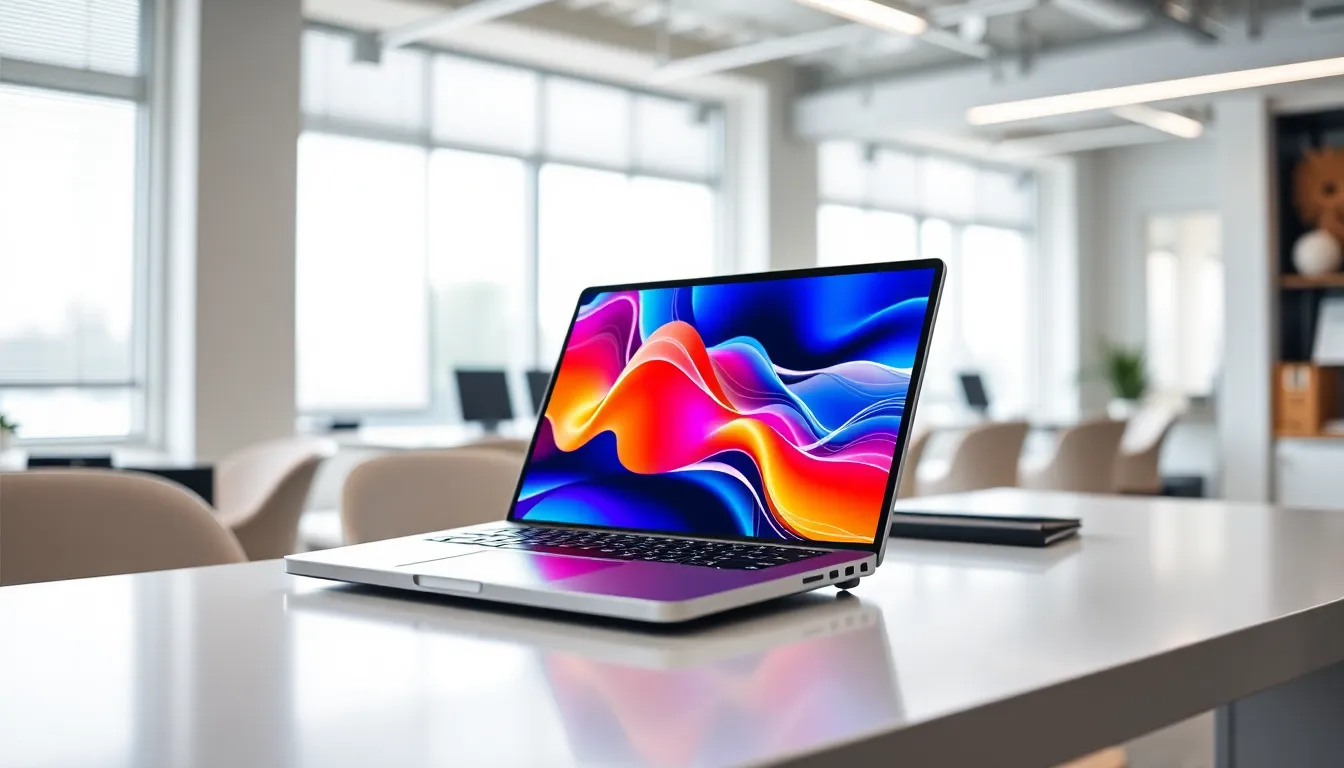
Touchscreen laptops offer a variety of features that enhance user experience and functionality. Two key aspects include display technology and touch sensitivity.
Display Technology
Display technology significantly impacts how users interact with touchscreen laptops. Many devices feature high-resolution displays, such as Full HD or 4K options, providing crisp visuals. Additionally, IPS panels allow for better color reproduction and wider viewing angles, enhancing multimedia experiences. Some laptops utilize AMOLED technology for deeper blacks and vibrant colors, appealing for creative tasks. Some models also offer anti-glare coatings, reducing reflections in bright environments. Users benefit from touch-friendly interfaces that promote intuitive navigation.
Touch Sensitivity
Touch sensitivity defines the responsiveness of touchscreen laptops. Advanced capacitive touchscreens detect multiple points of contact, supporting gestures like pinch-to-zoom and swipe. A high touch sensitivity ensures that even the lightest touch registers, providing an efficient experience for users. Some models include pressure sensitivity features, making them ideal for artists using styluses. Overall, touch sensitivity enhances interaction, allowing users to navigate seamlessly through applications and content.
Benefits of Using Touchscreen Laptops
Touchscreen laptops offer various advantages that make them appealing in today’s technology landscape. Users appreciate the functionality and interactivity these devices provide.
Enhanced User Experience
Enhanced user experience significantly impacts how people interact with their devices. Touchscreen laptops allow users to navigate applications and content effortlessly. Gesture control adds a layer of convenience, letting individuals swipe through photos or browse the web with simple finger movements. Intuitive touch sensitivity ensures accuracy; even light taps register, making operations smooth. This approach is particularly beneficial for tasks requiring precision, like drawing or editing photos. High-resolution displays offer vibrant visuals, enhancing the overall aesthetic and usability. Tasks become more engaging and enjoyable as users experience a tactile connection to their work.
Versatility in Functionality
Touchscreen laptops excel in versatility, addressing various user needs effectively. These devices often function in multiple modes, switching between laptop and tablet configurations with ease. A student may use the laptop for note-taking during classes and seamlessly transition to tablet mode for reading eBooks. Professionals can present slideshows or engage in video conferences using the touchscreen for quick interactions. This multifaceted approach caters to everyone, from educators to creative professionals. Battery life remains robust, enabling users to work efficiently without detours for charging. Versatility enhances productivity and accommodates leisure activities like gaming or streaming, offering a comprehensive solution for diverse lifestyles.
Popular Touchscreen Laptop Models
Several popular touchscreen laptop models stand out in today’s market, each catering to specific needs and preferences. These devices combine portability and performance, making them ideal for users requiring flexibility and functionality.
Model Comparison
The Dell XPS 13 2-in-1 features a sleek design and Intel’s latest processors, delivering high performance for multitasking. The HP Spectre x360 boasts an exceptional battery life and impressive display qualities, ideal for professionals and creatives alike. Lenovo Yoga 9i excels in sound quality, incorporating a rotating soundbar for an immersive audio experience. ASUS ZenBook Flip 14 offers solid performance with its lightweight build and responsive touchscreen. Each model highlights different strengths, making them suitable for various user scenarios.
User Reviews and Feedback
User reviews show a consistent appreciation for the convenience touchscreen laptops provide. Many find gesture control and touch inputs intuitive, enhancing productivity in daily tasks. Positive feedback focuses on the vibrant displays of models like the HP Spectre x360, which enhance video streaming experiences. Users also praise Dell XPS 13 2-in-1 for its compactness and ease of use, especially when transitioning between laptop and tablet modes. However, some mention preferences for traditional clamshell designs when doing long typing sessions, suggesting that while touchscreen laptops excel in versatility, individual preferences still play a significant role in user satisfaction.
Considerations Before Buying a Touchscreen Laptop
Touchscreen laptops offer distinct advantages, but several factors warrant consideration before making a purchase. Performance stands out as a crucial element; options with powerful processors enhance multitasking capabilities. Battery life, typically ranging from 8 to 20 hours depending on the model, affects user experience during work or play.
Display quality plays a significant role in usability. High-resolution panels, such as 4K or Full HD, provide vibrant visuals that enhance multimedia experiences. Viewing angles must also be optimal, especially in collaborative environments.
Size and weight matter when determining portability. Lighter models are ideal for those frequently on the go, while larger displays may cater to users seeking immersive experiences. Weight often ranges from 2 to 5 pounds, influencing ease of transport.
Touchscreen responsiveness enhances interactivity. Devices with capacitive touchscreens support various gestures and often respond quickly to slight touches. Some professionals might prioritize pressure sensitivity, particularly artists looking for precision in stylus interactions.
Operating system influences software compatibility. Ensure the chosen platform aligns with specific applications or tasks. Windows and Chrome OS each offer unique features suitable for different user preferences.
Budget considerations cannot be overlooked. Touchscreen laptops span a wide price range, from budget-friendly options under $500 to premium models exceeding $2,000. Aligning financial resources with required performance and features is key to satisfaction.
Reviews and ratings provide insight into user experiences. Reading feedback highlights strengths and potential drawbacks, offering real-world perspectives beyond specifications. Users often highlight aspects such as display quality, battery life, and build quality, which guide informed decisions.
Conclusion
Touchscreen laptops represent a significant advancement in how users interact with technology. Their blend of functionality and convenience makes them suitable for a variety of tasks. With features like high-resolution displays and intuitive gesture controls they cater to both productivity and creativity.
As these devices continue to evolve they offer enhanced user experiences that appeal to a diverse audience. Whether for work or play touchscreen laptops provide a versatile solution that adapts to individual needs. By considering factors like performance and display quality users can find the perfect model to enrich their daily routines.